

Imposter Syndrome
The silent killer of confidence
This article explores what Imposter Syndrome is, how it disproportionately impacts women and how coaching can help dampen down the internal voices that niggle away, damaging confidence, holding you back from speaking and sometimes from achieving your potential.
First some facts:
Research indicates that both men and women experience imposter syndrome, but it tends to be more prevalent among women, particularly those in leadership positions. Studies have shown that around 70% of people will experience imposter syndrome at some point in their lives, with women more frequently reporting feelings of self-doubt and inadequacy compared to men. However, exact percentages on the gender split specifically among leaders can vary depending on the study and the context.
There are several reasons why women leaders often feel like imposters. Societal expectations and stereotypes play a significant role, although, I will caveat, that some of these expectations may be of my generation and may not be so prevalent in Millennials and GenZ.
From a young age, women were often socialised to be modest and to downplay their achievements, which can lead to feelings of inadequacy in professional settings.
Women in leadership positions have frequently faced higher scrutiny and criticism compared to their male counterparts, which can exacerbate self-doubt and the fear of being exposed as frauds.
Lack of representation and mentors in leadership roles can contribute to imposter syndrome among women. When women do not see others like themselves in positions of power, it can reinforce the belief that they do not belong or are not deserving of their success. This can create a vicious cycle where women leaders internalise these doubts and continue to question their abilities and achievements.
C-Suite representation for women
As of recent studies, the gender split of C-suite executives in the UK shows a significant disparity between men and women. On average, women hold approximately 30% of C-suite positions. This imbalance highlights the ongoing challenges and barriers that women face in reaching top leadership roles within organisations. In the FTSE 300 companies, women currently hold approximately 10% of CEO positions. This statistic further emphasises the significant gender disparity in top executive roles and underscores the need for continued efforts to support and advance women leaders.
Understanding Imposter Syndrome
Imposter syndrome is a pervasive issue that affects many high-achieving individuals, particularly women in leadership positions. This psychological phenomenon is characterised by a persistent fear of being exposed as a fraud, despite evidence of one's accomplishments and abilities. It manifests in various ways, including self-doubt, perfectionism, and an inability to internalise successes.
For women leaders, imposter syndrome can be a significant barrier to professional growth and personal well-being. This internal struggle can lead to anxiety, burnout, and a reluctance to pursue new opportunities, to take on challenging projects or go for promotion.
Executive coaching has emerged as a powerful tool to combat this debilitating mindset and empower women to reach their full potential.
I have been coaching now for nearly 3 years with the majority of my coachees being women in senior leadership positions or aspiring leaders. Self-awareness and self-belief are key to eliminating the internal barriers and fears that hinder them in achieving personal and profession growth. I often hear “thank you for helping me to believe in myself and try new things”, or “I can’t believe I was standing in my own way”, and similar sentiments.
The Role of Executive Coaching
Executive coaching is a personalised, one-on-one process designed to help individuals achieve personal growth, develop their leadership skills, enhance their performance, and achieve their professional goals. For anyone, but particularly women leaders suffering from imposter syndrome, which is often rooted in lower levels of confidence than their male counterparts, Executive coaching offers several key benefits:
01
Building Self-Awareness
Executive coaches help women leaders gain a deeper understanding of their strengths, weaknesses, and unique value propositions. Through reflective exercises and feedback, coaches guide their clients in recognising and acknowledging their accomplishments, fostering a sense of self-worth and confidence. In my experience and from feedback from coachees, this gives a sense of validation of worth and is often the biggest un-blocker, after which other benefits start to flow.
02
Developing Resilience
Coaching equips women leaders with strategies to manage stress, navigate setbacks, and maintain a positive outlook. By building resilience, women can better cope with the challenges of leadership and reduce the impact of imposter syndrome on their daily lives. In my opinion, it is important and therapeutic to allow emotions to show and flow. A coaching session is a safe space to do this, where there should be no judgement, only support and encouragement.
There is no need for coachees to apologise if emotions rise to the surface. Resilience isn’t about “holding it in”. Allowing emotions to flow freely during sessions can significantly help coachees manage their stress and navigate setbacks more effectively, acting as an emotional valve, releasing pent-up feelings and reducing the mental burden that contributes to the persistence of imposter syndrome. Encouraging coachees to express their emotions without judgment fosters a healthier outlook and enhances their capacity to cope with the challenges of leadership.
03
Enhancing Leadership Skills
Executive coaching focuses on honing essential leadership skills, such as communication, decision-making, and strategic thinking. Improved competencies in these areas enable women leaders to perform more effectively and confidently in their roles, diminishing the feelings of inadequacy associated with imposter syndrome.
Finding one's voice in a room dominated by powerful male voices can be a daunting task, but it is achievable with the right strategies and mindset. These may include, preparation, assertive communication, body language, eye contact, leveraging allies, volunteering to present, leading discussions, seeking feedback and mentorship and importantly harnessing your emotional intelligence to understand the room and the dynamics at play.
Articulating something to a coach is an opportunity to test out what you want to say, how you want to say it, and to stand back from it and consider how it might be received or perceived by others, and possibly repositioning what you want to say to have a bigger or better impact.
04
Establishing a Support System
A coach provides a safe, non-judgmental space for women leaders to discuss their fears, insecurities, and aspirations. This supportive relationship can be instrumental in helping women overcome imposter syndrome, as they receive encouragement, validation, and constructive feedback from an experienced professional.
In my experience validation has played a big part in building confidence. I’ve heard some coachees say “thank you for helping me see that it’s not me, I’m not wrong or crazy”.
05
Setting and Achieving Goals
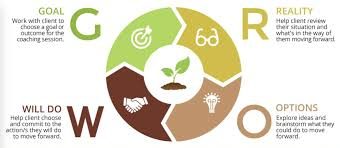
Executive coaches assist women leaders in setting realistic, attainable goals that align with their personal and professional aspirations. By breaking down larger objectives into manageable steps, coaches help their clients build momentum and gain confidence in their abilities. The Grow model is a good technique which starts with Goal and ends with the Will do, which may lead to another goal and so forth.
My imposter experience
I spent nearly 20 years in financial leadership and Board roles in Engineering Consultancy and strangely I never really felt like an imposter, despite being the “only woman” at the Board table for the majority of that time. Frequently when we went to offsite events I would be mistaken for the “secretary” and asked about what beverages the men would like! I took this in a light-hearted way because I always felt like I belonged around the table, even if that table had a lot of masculine energy with big personalities and voices. I found my way to be heard and felt valued.
The first time I felt like an Imposter was when I moved into a new sector - Financial Services. I lacked experience and knowledge of this heavily regulated sector and worried that I had taken a wrong turn. However, with the support of an amazing female CEO, great colleagues and intense onboarding and self-education I found my place and those thoughts of “being exposed” or “looking stupid” disappeared.
I felt it again during lockdown when I joined an INSEAD Leadership programme. In the first few sessions I worried that I was intellectually weaker than the rest of the cohort. This was not the case and through our experiences working together I appreciated the strengths of each individual and they shared what they appreciated about what I brought to our collaborative explorations.
Similarly, when I joined Henley Business School to gain the skills to be an Executive Coach, I had the same insecurities, but through practicing coaching each other I realised we were all learning together and through mutual encouragement we all improved and gained our Certificates.
I have been a portfolio Non-Executive Director now for 3 years and I am comfortable that I know what I am doing, but it wasn’t like that to start with. I had to feel my way a bit. I reflected on the behaviours and styles of the Non-Executives I had respected when I was an Executive and developed my own personal style.
My personal reflections from these experiences are:
- Change can bring about doubts and lack of self-confidence, but it is important to appreciate that change is a learning experience from which you can grow. Had I not taken on new challenges I wouldn’t have achieved my full potential and I may not be enjoying the balance roles that I now have.
- Being comfortable is a great feeling, but be careful not to get complacent, there is always a risk that you get left behind or that you don’t achieve your full potential.
- More often than not, others are quietly having their own imposter thoughts, and you are not the “weakest” person in the room and could well be the “strongest”. You are there for a reason, valued by others for your experience or perspective.
- Go for it – don’t worry about whether you are the full package or the most qualified or experienced in the room. Sometimes those who are “learning” are the wisest in the room and if not, they bring a fresh perspective.
- Work with an Executive Coach to help you grow.
Conclusion
Executive coaching can be a transformative experience for women leaders suffering from imposter syndrome. By fostering self-awareness, resilience, and enhanced leadership skills, coaching empowers women to overcome self-doubt and unlock their full potential. As more women leaders embrace executive coaching, the impact on individual careers and organisational success will be profound, creating a more inclusive and dynamic leadership landscape.
If this resonates with you and you would like a free exploratory coaching session with me contact me at debbie@db-executive-coaching.com.